Responding to visual cues during whole-body motion
What shapes people’s responses to visual cues during whole-body motion?
Manuscript submitted
- Institution
- Institute of Software, Chinese Academy of Sciences
I developed the Unity/C# directional-judgment task on an existing six-degree-of-freedom motion platform and analyzed response times in relation to independently measured motion.
Responding in a moving environment
In a moving vehicle, people still need to interpret visual cues and act on them. We used a simple directional task to study response speed and accuracy under different motion conditions.
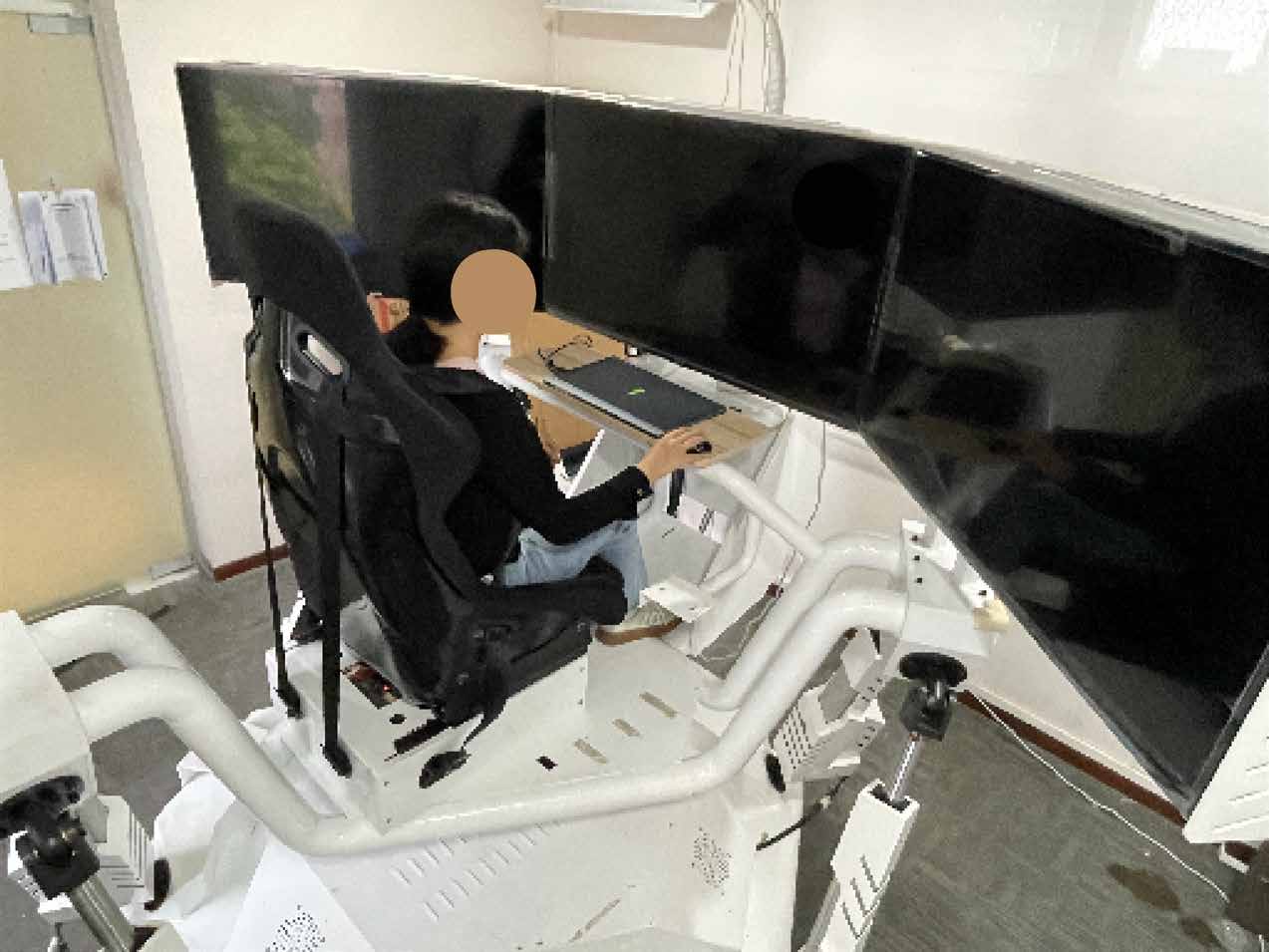 Opens in a new tab.
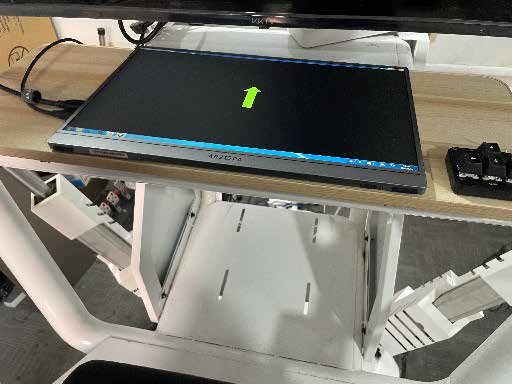 Opens in a new tab.
- 1 · Fixation
- 2 · Directional cue
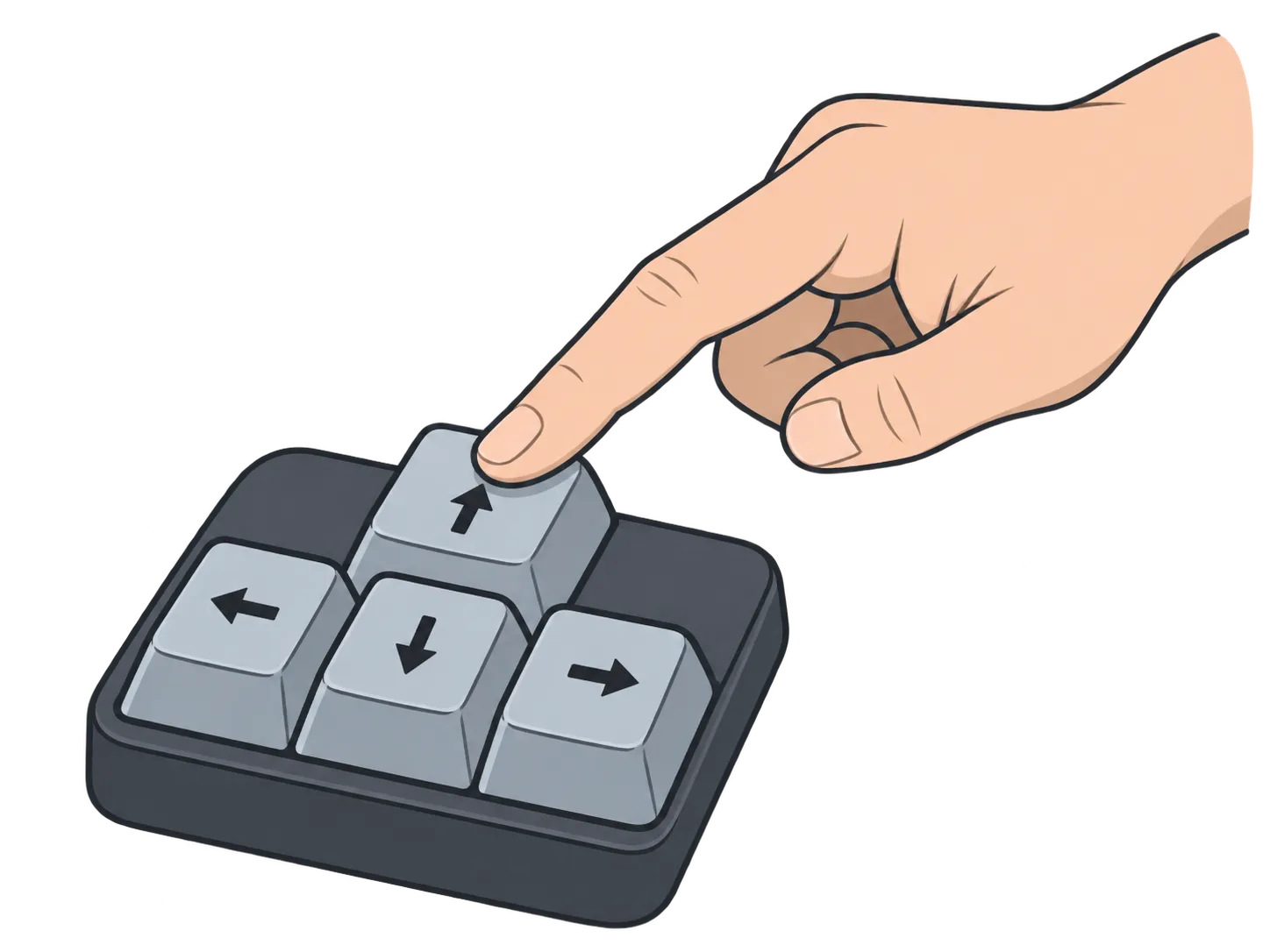 Response during the cue
- 3 · Blank interval
Motion relative to the task
I considered both motion intensity and the direction of movement relative to the current cue. The same acceleration can lie along one target direction and across another.
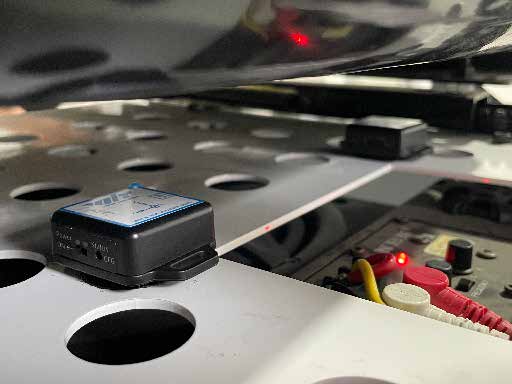 Opens in a new tab.
- Along cue
- Across cue
- Motion
Why target direction matters
Target direction defines both the motion reference frame and the response required by the task. I accounted for differences between target directions when interpreting the relationship between measured motion and response time.
Further study details and results will be added after publication.